How to turn off Find My Mac on your MacBook (2026) - Before repair, resale or reset
Bringing your MacBook in for repair and the service center is asking you to turn off Find My Mac? You're in the right place. Here's exactly how to do it - in under two minutes.
.avif)
What even is “Find My Mac”?
As part of setting up a new MacBook, you’re asked to sign in using your Apple iCloud account, or create one. This “activates” your MacBook, in other words, links your MacBook to your account on Apple’s servers.
This helps you locate your MacBook in case it is misplaced or stolen (Device Tracking). In modern MacBooks, this activation also serves as a security feature - making it impossible to access the device or its data without the correct credentials (Activation Lock). Using “Find My” app, you can also remotely erase your device (Remote Erase) or mark it as lost or stolen (Lost Mode). In short, it helps prevent unauthorized access if the MacBook is lost or stolen.
Why is it important you know how to turn it off?
You mandatorily need to turn off Find My Mac, if you’re planning to:
- Submit your MacBook for repair
- Sell or exchange your MacBook
- Reset or erase the device
- Remove Activation Lock
Most repair centers, including Fixxo, require Find My Mac to be disabled before repairs or macOS restoration.
FYI - when a service center asks you to "turn off Find My Mac" before a repair, they may phrase it in different ways:
- Remove the MacBook from your iCloud account,
- Disable Activation Lock, or
- “Sign out” of your Apple ID from the MacBook
These all refer to the same required action, covered in the steps below.
How to Turn Off Find My Mac
Method 1: From the MacBook settings (Recommended)
If you have access to the MacBook on which you’re trying to turn it off
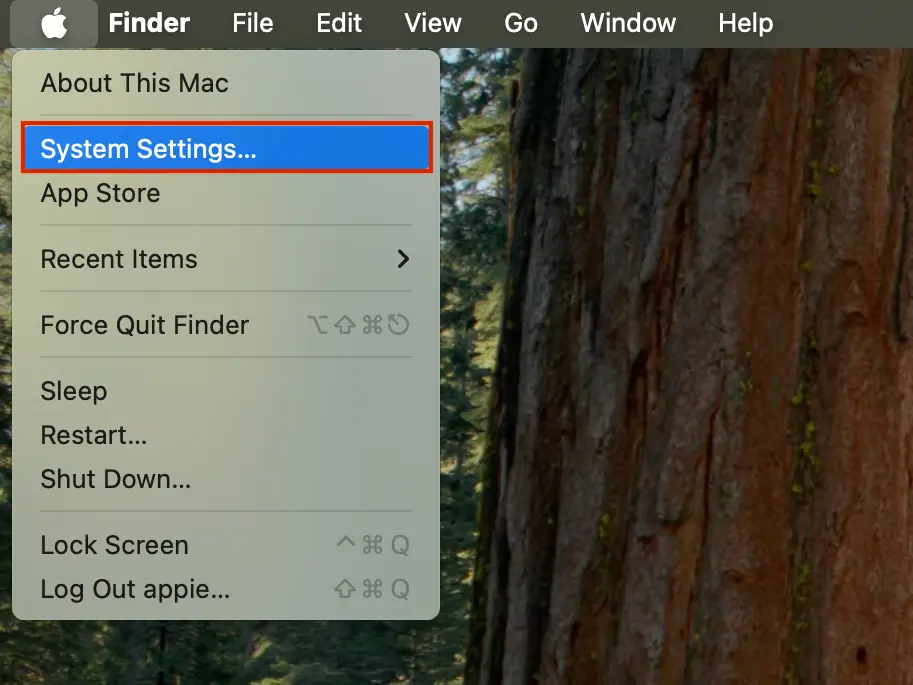
Step 1: Open System Settings
- Click the Apple logo (Top Left Corner)
- Open System Settings
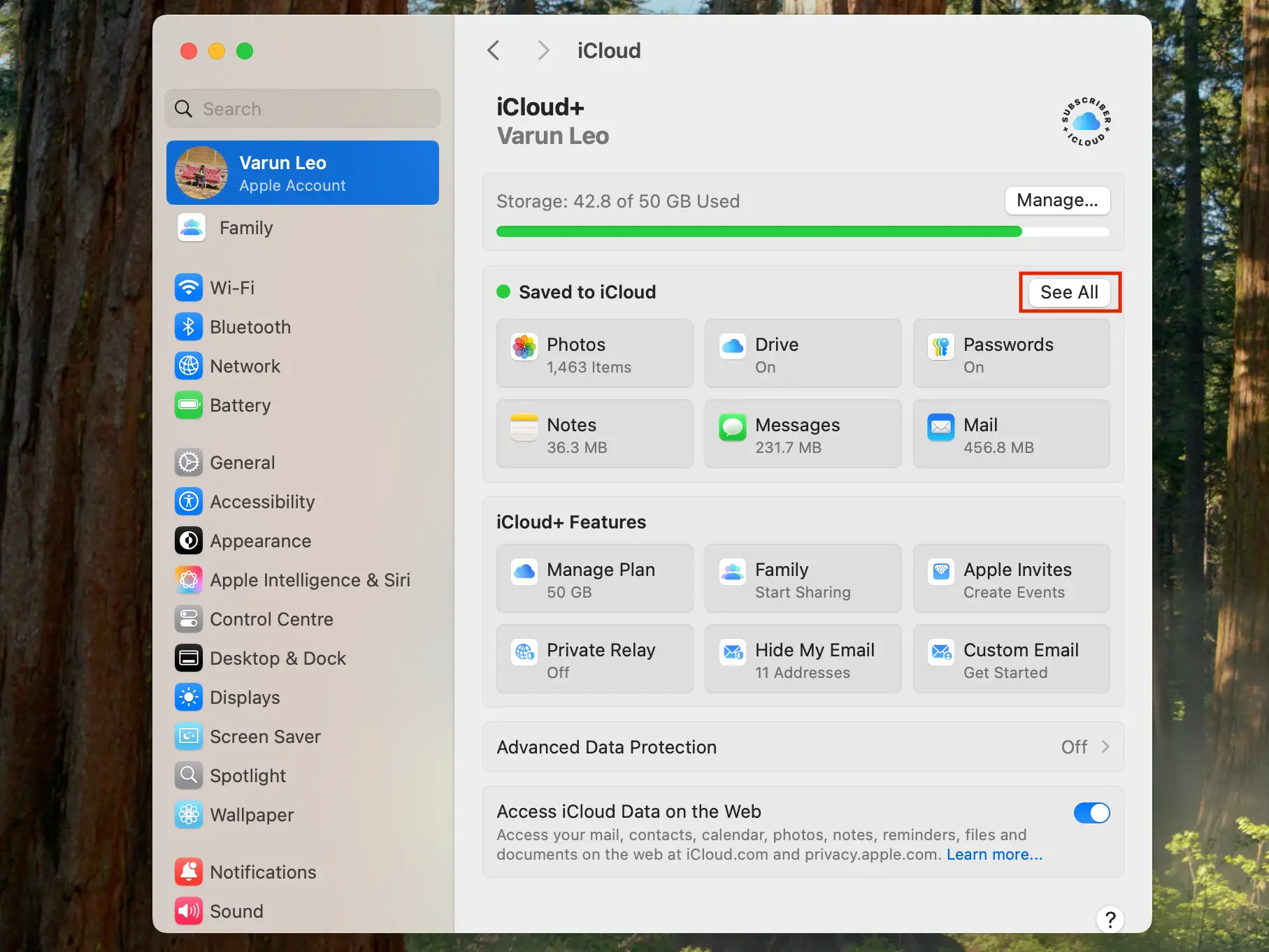
Step 2: Open iCloud Settings
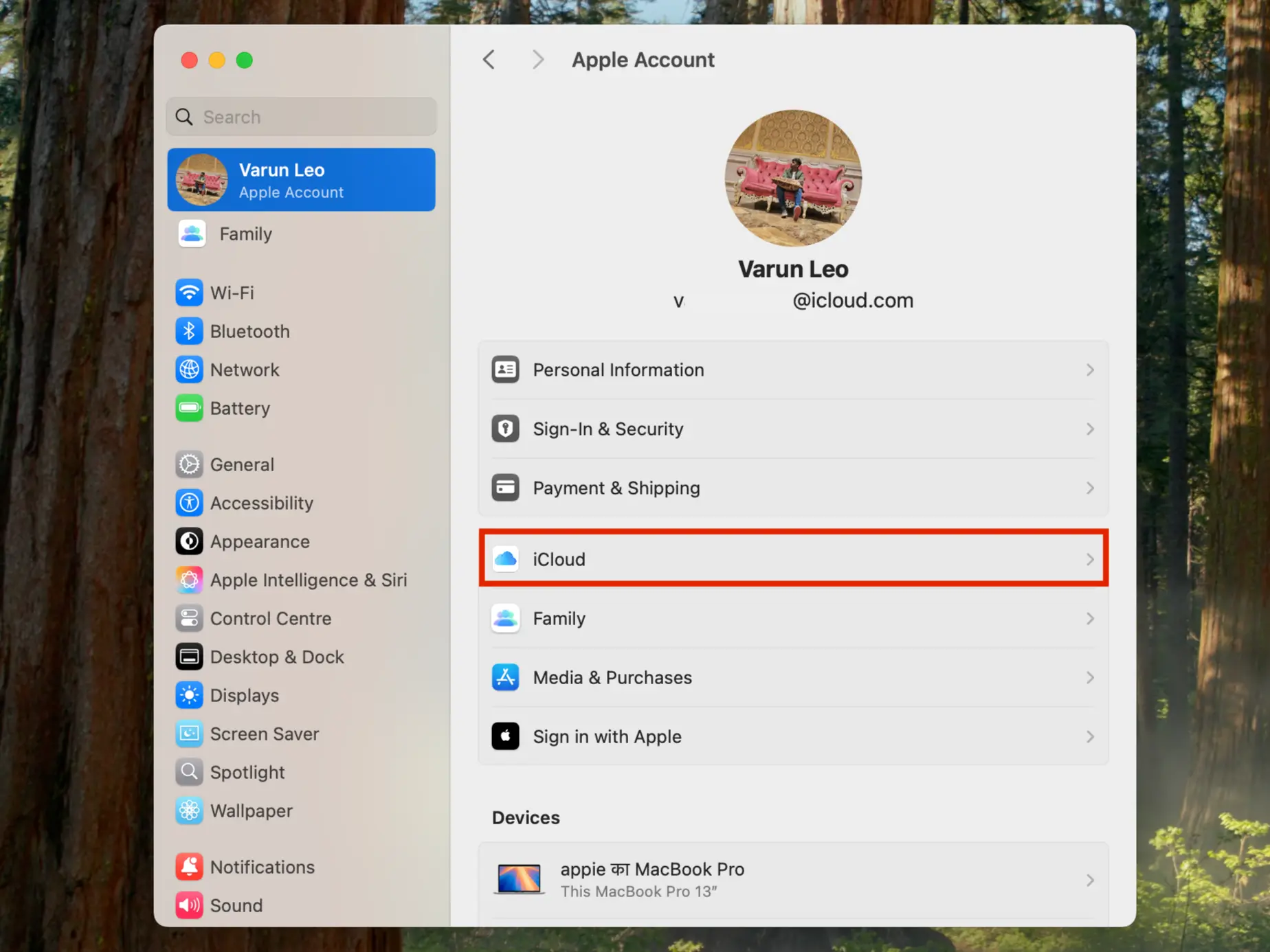
- Click your name at the top left
- Select iCloud
- Next to Saved to iCloud, click See All
[The exact layout may vary slightly depending on your macOS version, but the iCloud section is always accessible from your Apple ID panel.]
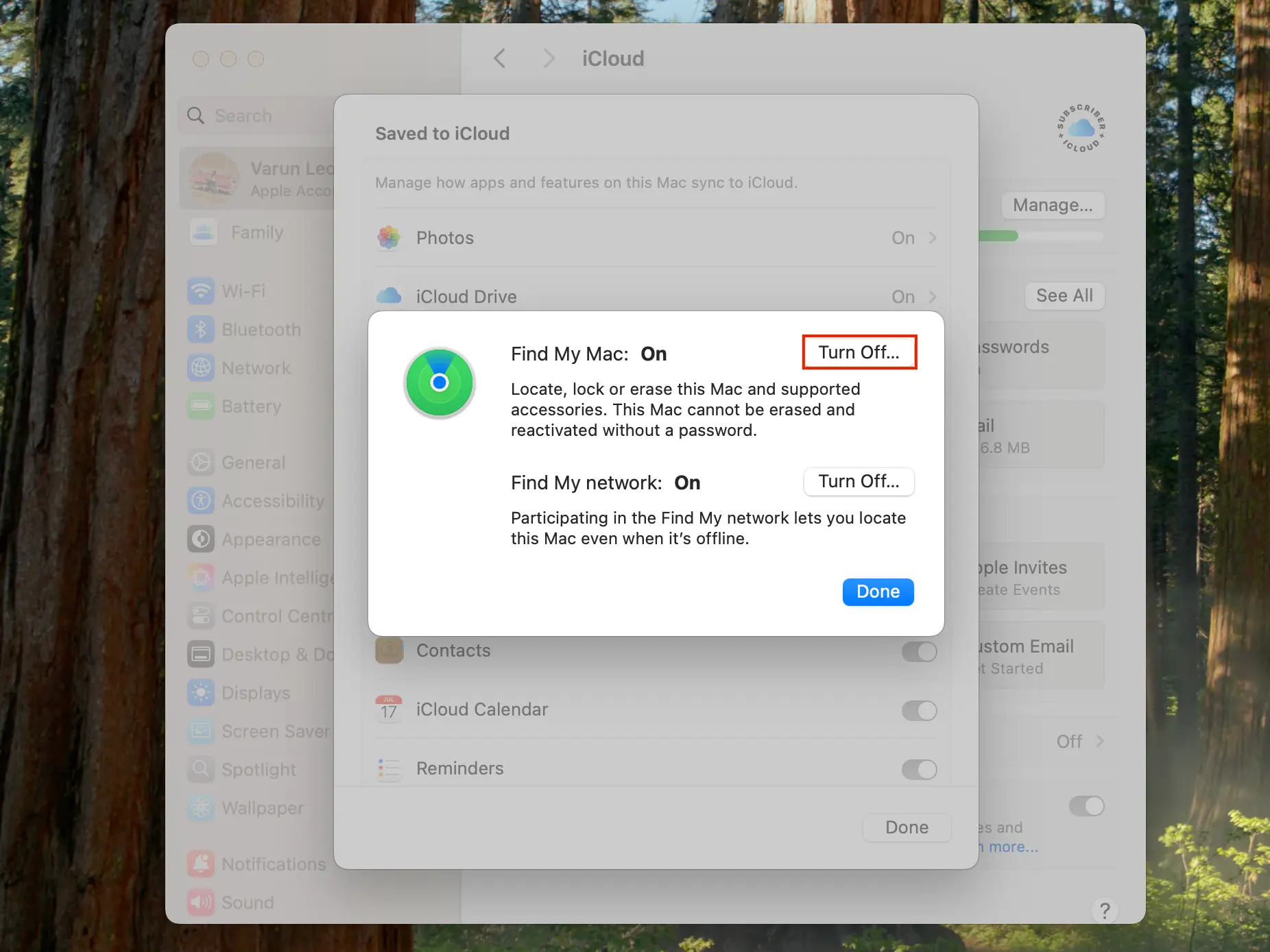
Step 3: Turn Off Find My Mac
- Click Find My Mac
- Toggle it OFF
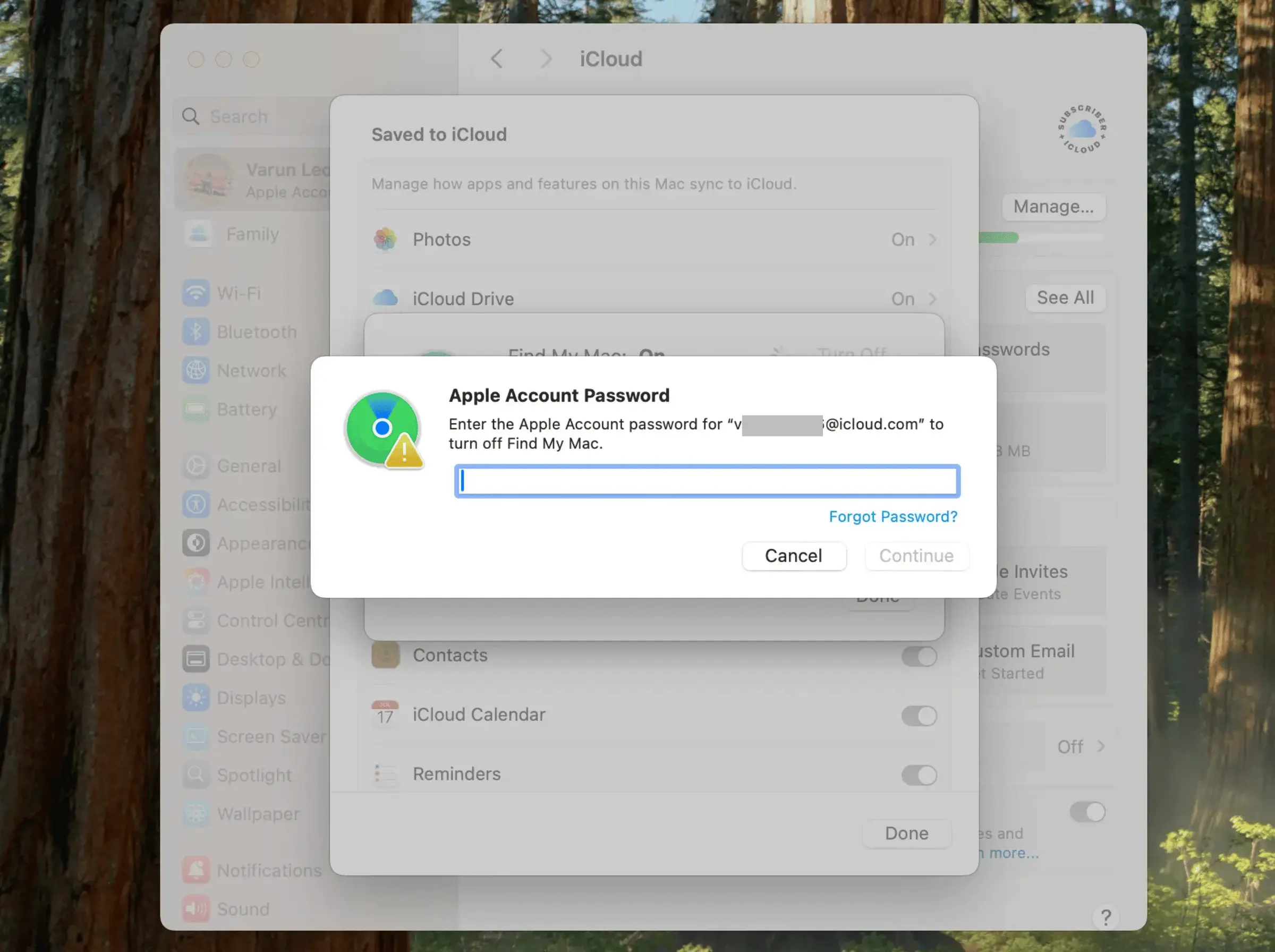
- Enter your Apple ID password
Once completed, Activation Lock will be removed.
Method 2: Remotely, via the Find My app on another Apple device.
This can be done remotely on any Apple device (e.g. another iPhone, or iPad) linked to the same iCloud account. Note that the device that you're trying to "remove" from the iCloud account should be Offline or powered off for this method to work.
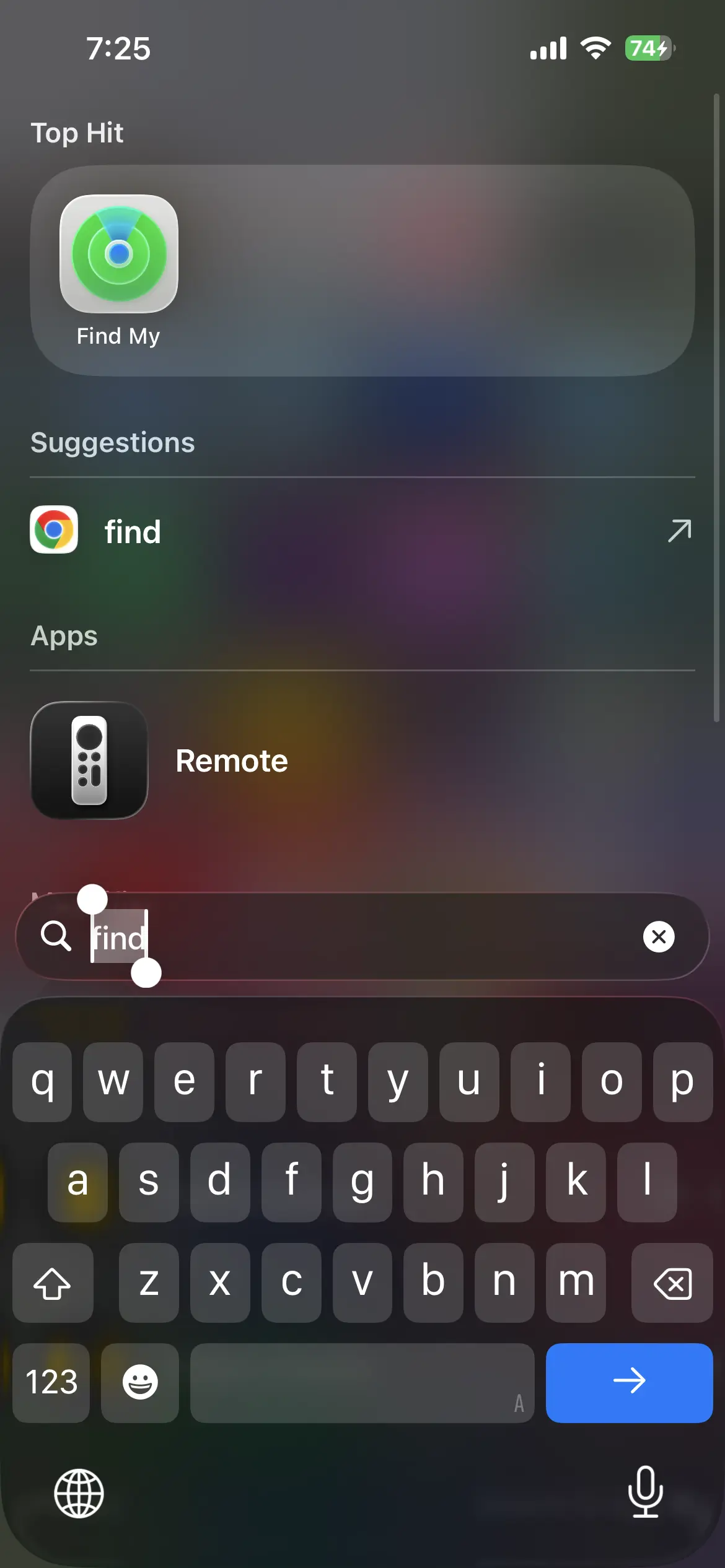
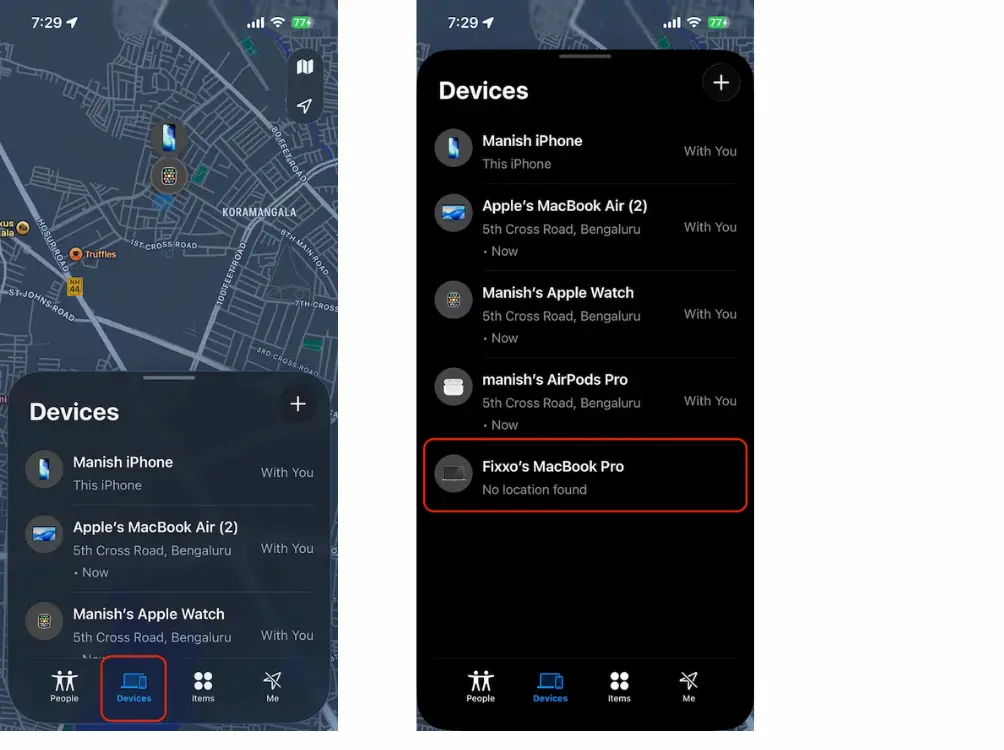
Step 1: Open "Find My" app on the iPhone or iPad (or even a different MacBook)
Step 2: Select the desired MacBook
- Click on "Devices" tab at the bottom
- Pull up the Devices list to view all devices linked to your iCloud account
- Click on the Device on which you intend to turn off Find My Mac
Step 3: "Remove" desired MacBook from iCloud account
- Scroll down to the bottom of the device page and click the "Remove" button
- Make sure to NOT click the "Erase" button
- Confirm message -> Click "Remove" again
- Enter your iCloud ID password
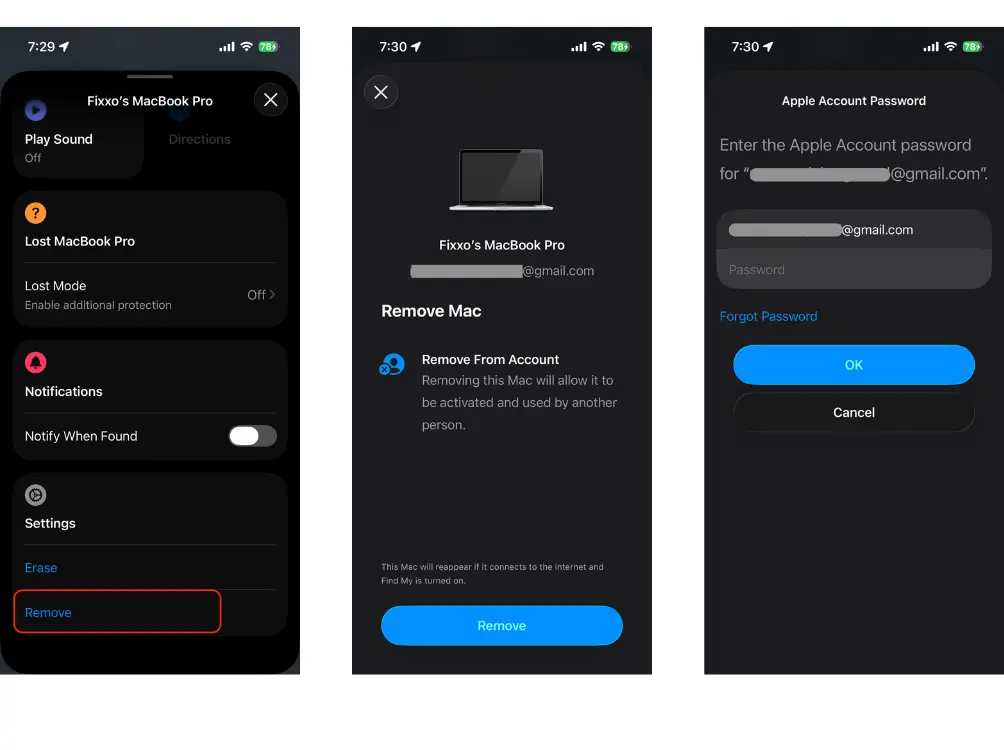
That's it! Your device is removed from your iCloud account. This effectively turns off the Find My Mac in the first place.
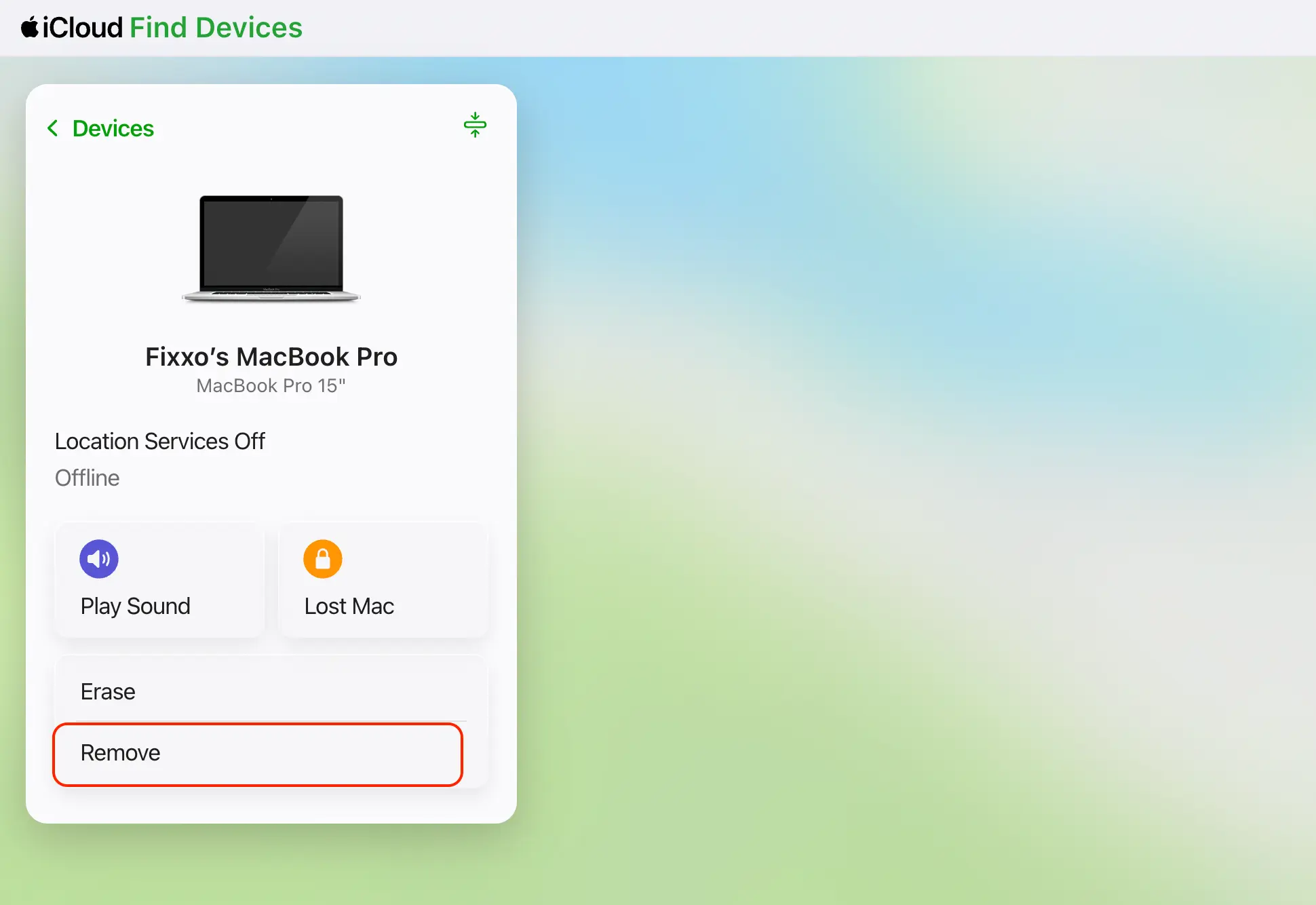
Method 3: Remove device from iCloud remotely via browser
This can be done remotely on ANY device (Windows or Mac), as long as it has internet access
Step 1: Open Find Devices on iCloud
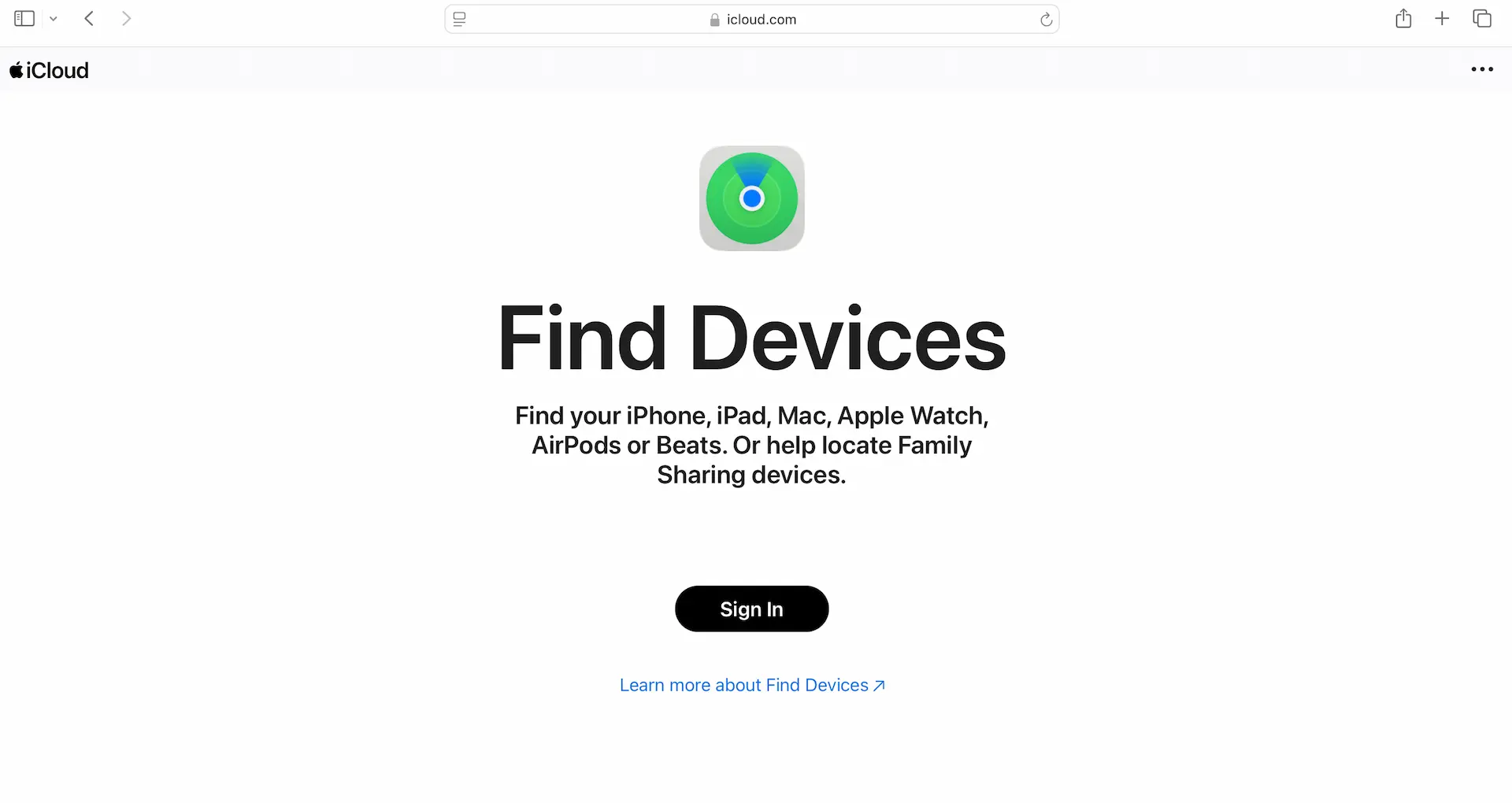
Step 2: Sign in using your Apple ID -> Select your MacBook from device list
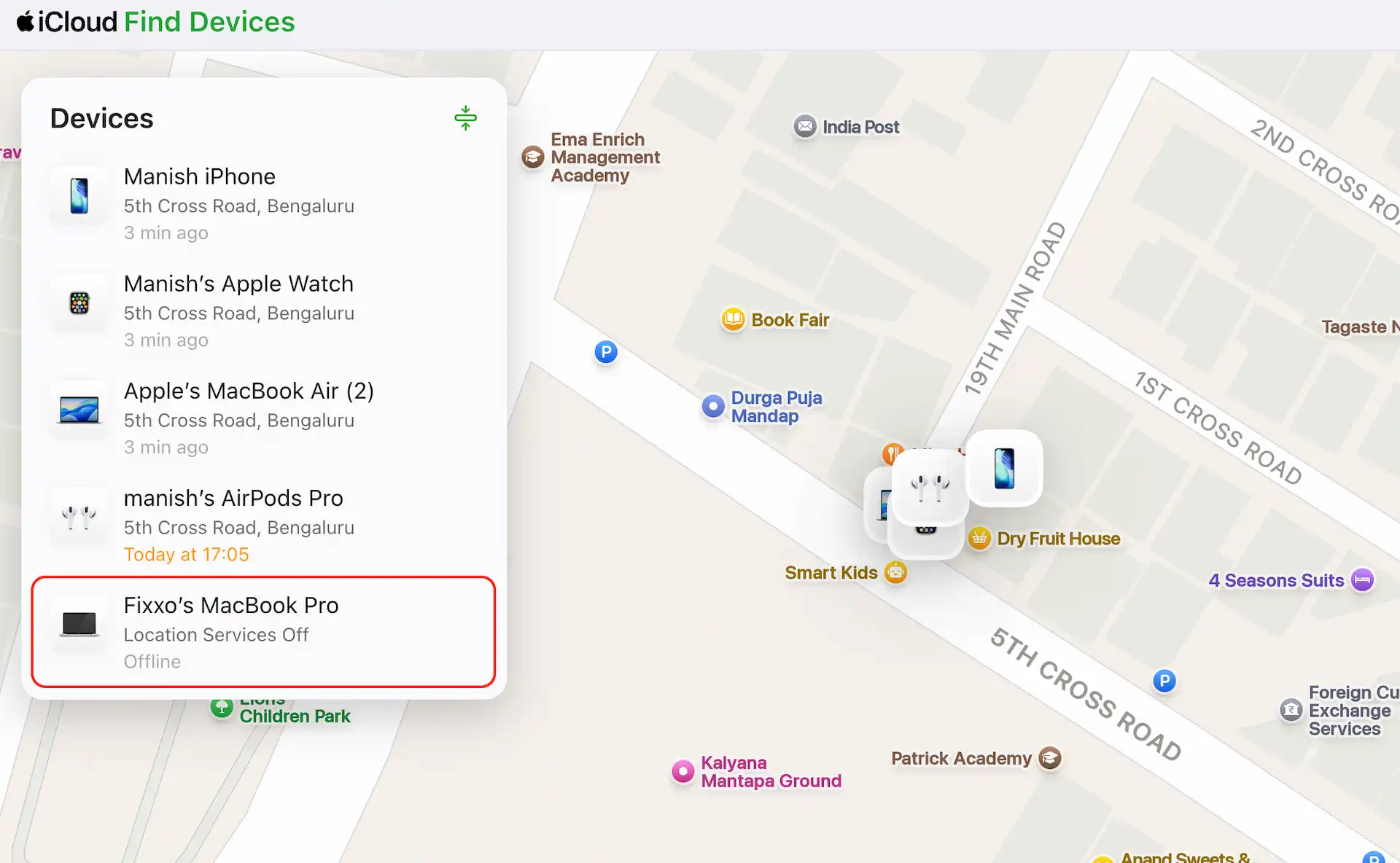
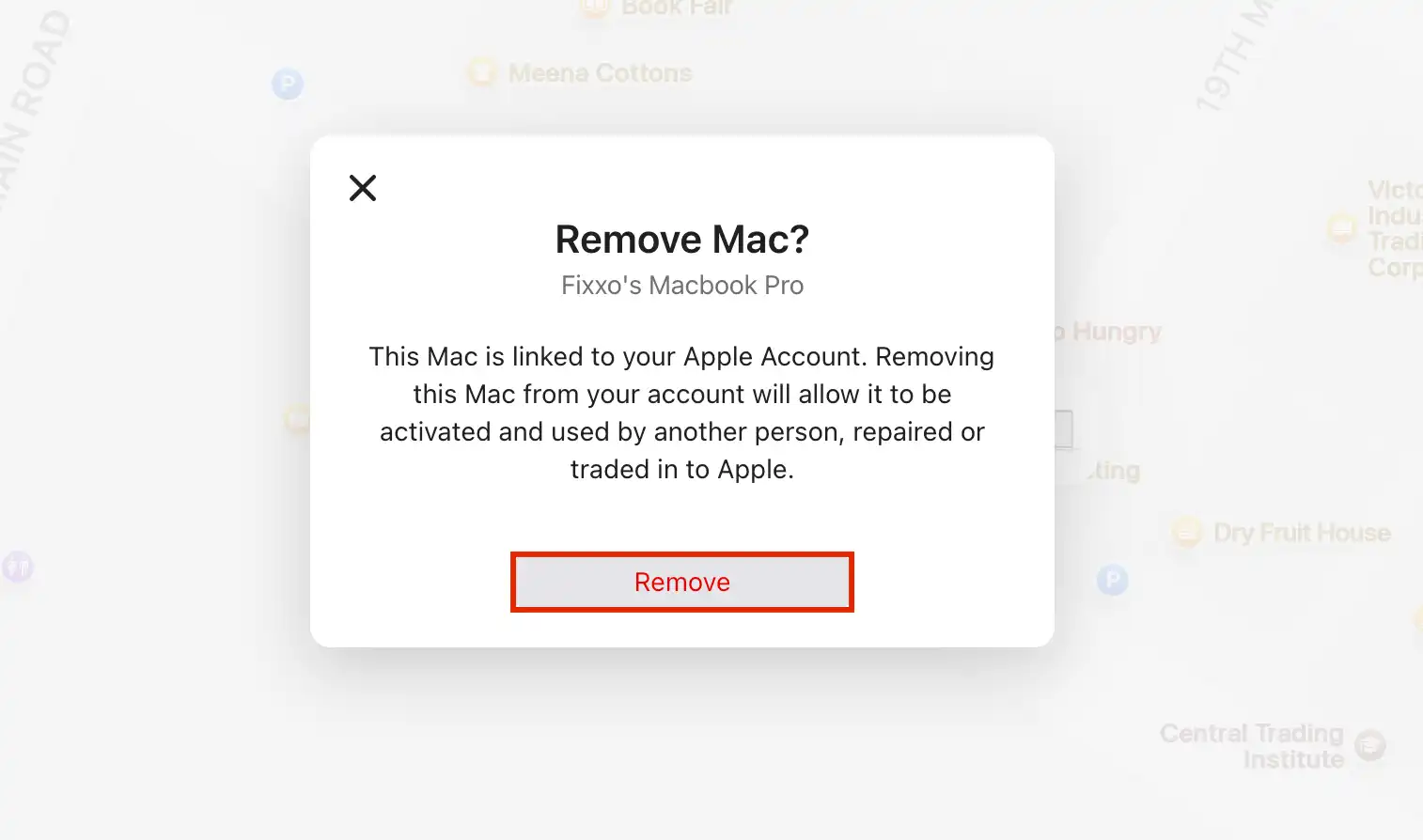
Step 3: Click "Remove" -> Again "Remove" in confirmation box
[Note: If "Remove" button is unavailable, it is likely that the MacBook is still online. You can either shut down the MacBook completely and try again. Or you can click "Erase" (Caution: This will wipe off all your data) and then the "Remove" button should show up]
How to verify if Find My Mac is turned off?
- Click the Apple logo (Top Left Corner) -> About This Mac
- In the "About This Mac" box, click on "More Info" button
- You will land up in the "General" tab in System Settings
- Scroll to the bottom and click on "System Report" / "System Information" button
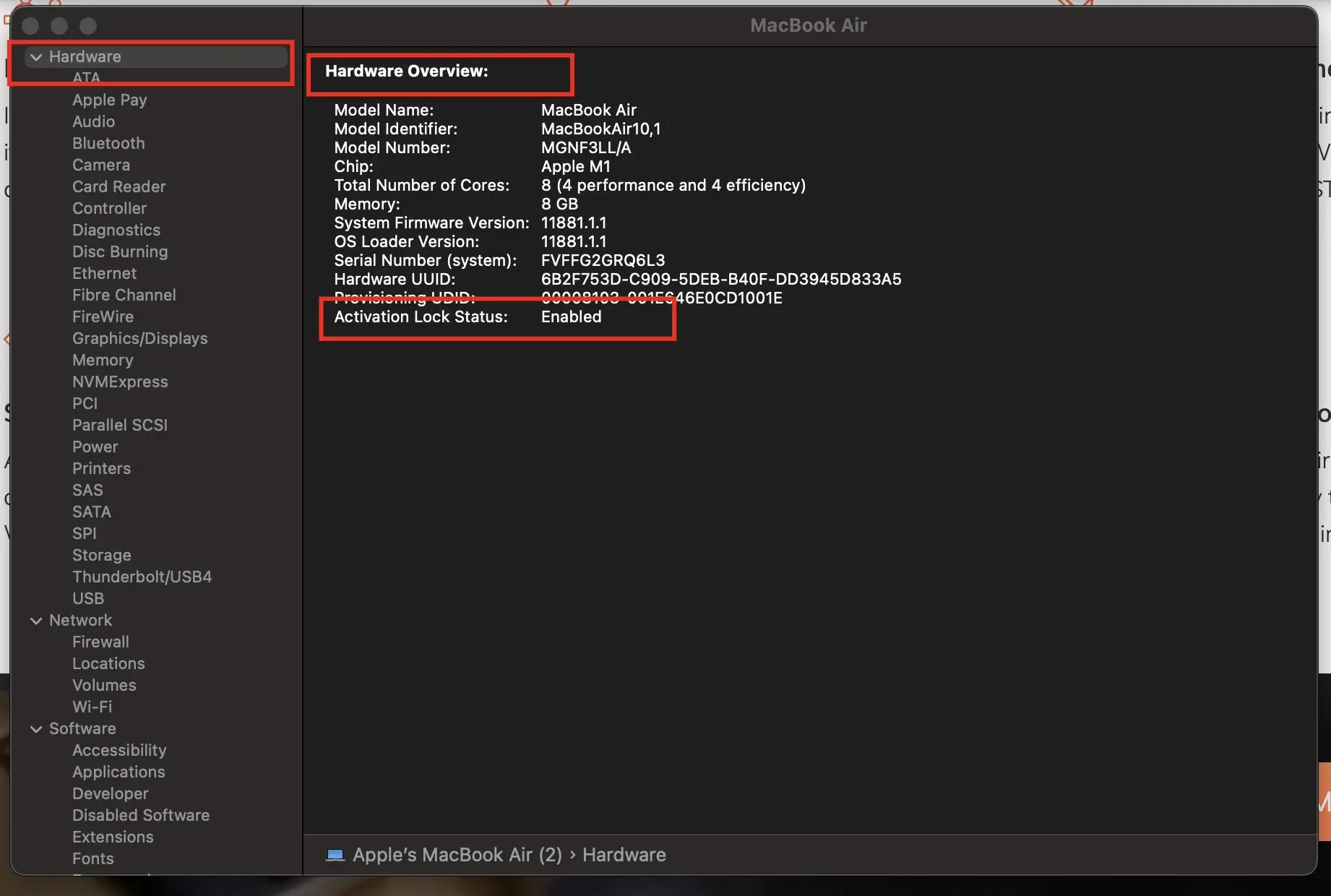
- In the "System Information" window, under "Hardware Overview" section, look for "Activation Lock Status"
- If it says "Disabled", it means you have successfully turned off Find My Mac (FMM). If it says "Enabled", it means the FMM is still active
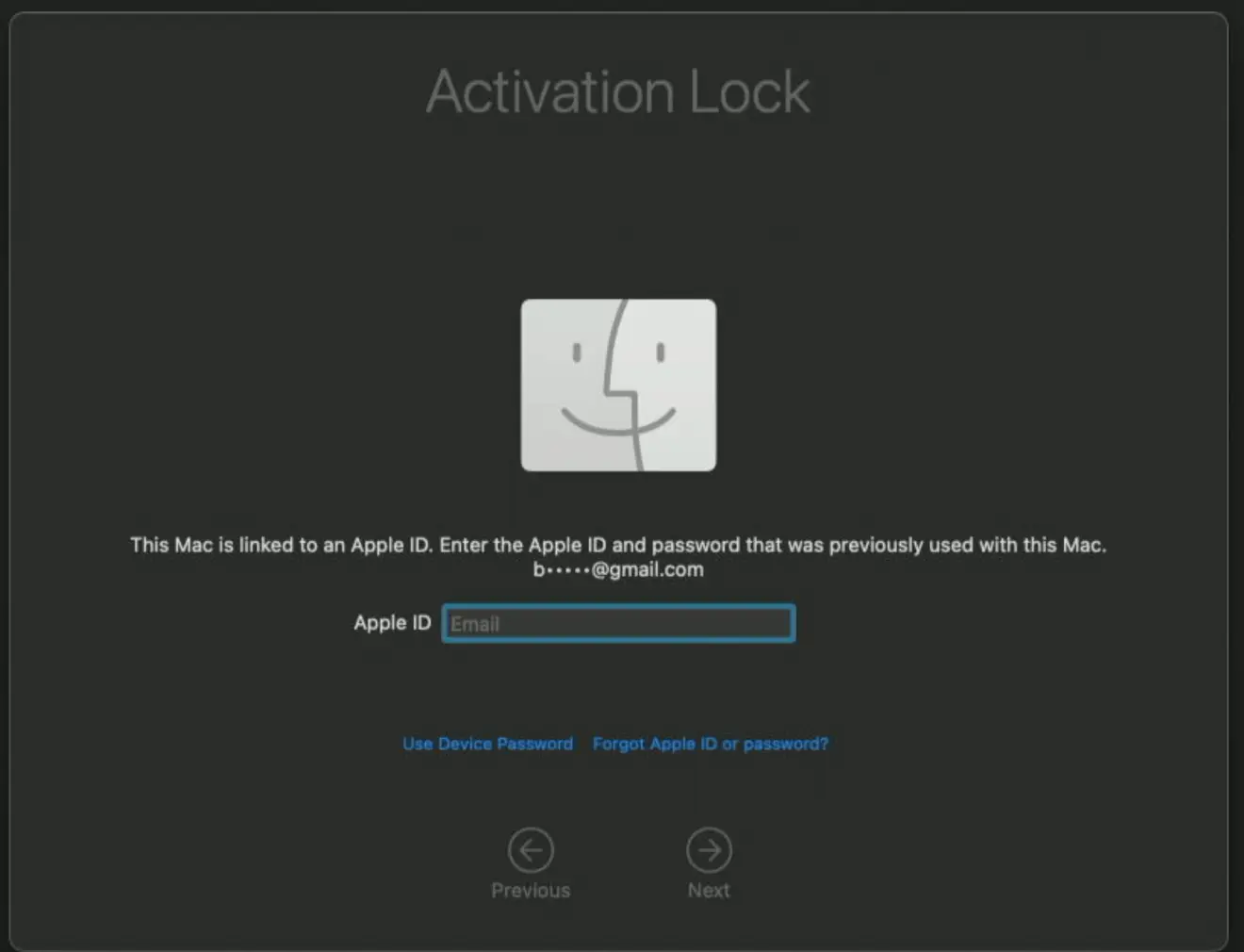
Alternatively, IF you're unable to boot into the system and/or you've already erased the OS the MacBook, you can try to reinstall the macOS and try to set it up.
If, during setup, it says the MacBook is linked to an Apple ID. And asks you to enter credentials to that, then the Find My Mac is still enabled.
A properly removed device will directly proceed to macOS activation.
Frequently Asked Questions
Turning off Find My Mac - Will my data be erased?
Turning off Find My Mac alone does not erase data. However, formatting or reinstalling macOS may erase all files.
Is there any way to bypass the Activation Lock?
No legitimate service provider can legally bypass Activation Lock without the Apple ID credentials or proof of purchase.
What if I've forgotten my Apple ID password and can't turn off Find My Mac?
The MacBook may become unusable after a reset if Find My Mac is still active. Don't panic - contact Fixxo first. WhatsApp us or call 888-444-1326 and we'll assess the situation and advise you on the right next steps. If required, we'll guide you towards Apple's official recovery process, which involves visiting an Authorised Service Provider with your original purchase invoice and valid photo ID.
What if I bought a second-hand MacBook and the previous owner didn't remove Find My Mac?
This is one of the most common MacBook problems we see at Fixxo - and there's no shortcut around it. Activation Lock can only be removed by the person who originally linked their Apple ID to the device.
Here's what you can do:
Contact the previous owner first. Ask them to remove the device from their iCloud account remotely using Method 2 in this guide. Most sellers will cooperate once they realise the device is unusable without their action.
If they're unresponsive, approach Apple. Visit an Apple Authorised Service Provider with the original purchase invoice and a valid photo ID. Apple will assess whether they can remove the lock based on your proof of ownership - but there's no guarantee.
If neither works, the device may be permanently unusable. At that point, your only recourse is legal.
The easiest way to avoid this situation entirely is to verify Activation Lock status before buying. Our second-hand MacBook buying guide covers this and nine other things to check.
Not sure where to start? WhatsApp us and we'll advise you on the best path forward.
Final Thoughts
Bringing your MacBook to Fixxo for repair? We'll guide you through disabling Find My Mac when you drop it off - or you can WhatsApp us beforehand and we'll walk you through it.
Bought a second-hand MacBook stuck on Activation Lock? We can help you assess your options. Get in touch